

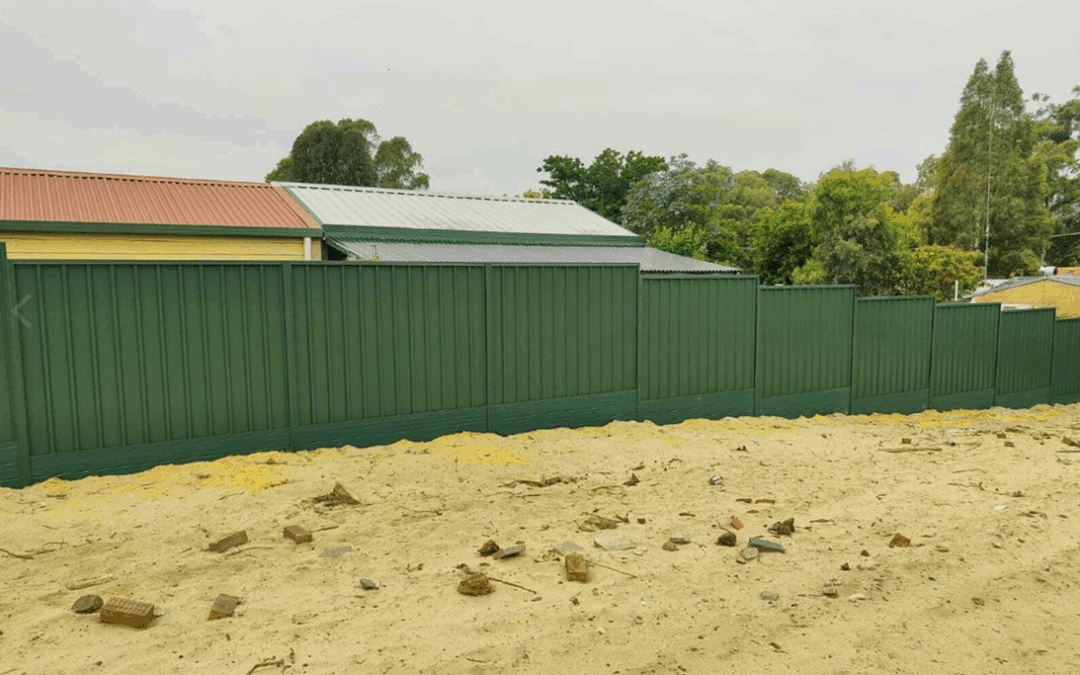
Fencing might not be the most exciting part of your home, but it definitely pulls its weight. It gives you privacy, keeps kids and pets safe, and helps define your space, without you needing to get wrapped up in endless paperwork. If you’re updating an old boundary or putting up a brand-new fence, the good news is that for most standard residential fencing, things are actually pretty straightforward. You won’t usually need a building permit unless you plan to go higher than normal fence limits or you’re in a special zone. Still, it always pays to have a quick look at your local council’s guidelines because each one can be a little different.
Fence Heights in WA: The Simple Version
Fence heights can change from council to council, but as a general rule of thumb:
- Front fences are typically around 1.2m.
- If your design is more open or see-through (like pickets or wrought iron), some councils allow up to 1.8m if it’s set back a bit.
- Side and rear fences are usually up to 1.8m.
These heights help keep a balance between privacy and maintaining that open, friendly look across Perth’s neighbourhoods. But again, every council has its own little rules—so it’s worth checking what applies in your area, especially if you’re on a corner block or sloping land.
Do You Need Council Approval For A Fence In Perth?
For most Perth homeowners, the answer is no. A standard boundary fence that fits within the usual height limits generally doesn’t need a building permit. You may need approval if:
- You want a fence higher than the standard council guideline
- You’re in a heritage area
- You’re adding extras like retaining walls, screens or structures attached to the fence
If you’re unsure, your council’s website will have the exact requirements, and your fencing contractor can point you in the right direction.
A Quick Look at the Dividing Fences Act WA
If your fence sits on the boundary, it falls under the Dividing Fences Act 1961, which basically says that neighbours share the cost of a “sufficient” fence. A 50/50 split is the norm, unless one neighbour wants something extra fancy, then they usually cover the difference. A friendly chat goes a long way. Let your neighbour know what you plan to do, share the quote and agree on the style. If you disagree, mediation or council advice is your next step, legal action should be the last resort.
Special Cases: Pools, Asbestos And Visibility Rules
Pool Fencing Regulations
Pools are the only area where the rules are strict—and for good reason. Pool fencing has specific safety requirements under the Building Regulations 2012, including:
Key requirements include:
- A minimum height of 1.2m
- Gaps no wider than 100mm
- Self-closing, self-latching gates that swing outward
- A 900mm non-climbable zone around the fence
Pool fencing rules can change, so make sure you double-check with your council if you’re installing or modifying one.
Asbestos Fencing Removal
Some older Perth homes still have asbestos fencing. It’s generally safe if untouched, but once it becomes cracked or damaged, it needs professional attention.Only licensed contractors can legally remove asbestos—so never try to do this yourself. A lot of homeowners choose to replace asbestos fencing with Colorbond or other modern materials that are safer and last much longer.
Firm Fencing: A Leader In Perth Fencing Solutions
At the end of the day, understanding the local rules makes your fencing project smoother. Whether it’s a simple boundary refresh or dealing with trickier things like pool fencing or asbestos removal, having the right team on your side makes a big difference. Firm Fencing keeps things simple. We’ll help you understand your council’s requirements, guide you through any approvals you might need (if any), and install a fence that suits your home and lifestyle. Ready to get started? Get in touch with our team and we’ll walk you through it, no stress, no confusion, just straightforward advice and quality fencing.